
Podcast
Video Podcast
Engage with in-depth discussions exploring faith, theology, and contemporary issues. New episodes released regularly.
Aug 28, 2025
Reflection – Episode 1: Introducing the al-Mīzān Series
In Episode 1, we introduce the vision and purpose of this new series: a journey through Tafsīr al-Mīzān by ʿAllāmah Ṭabāṭabāʾī — one of the most profound commentaries on the Qur’an in the modern era.

Sep 4, 2025
Reflection – Episode 2: Tafsīr – The Qur’an Explains Itself
In Episode 2, we explore one of the most important principles of ʿAllāmah Ṭabāṭabāʾī’s tafsīr methodology: the Qur’an explains itself.

Sep 11, 2025
Reflection – Episode 3: The Soul, Knowledge, and God’s Justice
In Episode 3, we explore the foundational themes of existence, knowledge, and divine justice as presented in Tafsīr al-Mīzān by ʿAllāmah Ṭabāṭabāʾī.

Sep 18, 2025
Reflection – Episode 4: The Principle of Divine Justice
In Episode 4, we explore the principle of Divine Justice (al-ʿAdl). How does the Qur’an define justice? Is it merely legal fairness, or something deeper? Drawing on ʿAllāmah Ṭabāṭabāʾī’s Tafsīr al-Mīzān, we examine this question. Justice is revealed as both moral and cosmic. Rooted in God’s wisdom, mercy, and purpose.
Sep 25, 2025
Reflection – Episode 5: The Living Miracle
In Episode 5, we examine the Qur’an as a living miracle. Through Tafsīr al-Mīzān, we explore what makes it unmatched. Its language, coherence, prophecy, and moral vision endure. The challenge to produce even one chapter like it remains unanswered. What does this demand of those who seek truth today?
Oct 2, 2025
Reflection – Episode 6: The Qur’an’s Eternal Protection
In Episode 6, we explore the Qur’an’s claim of divine preservation. Not only in its text, but in its meaning, transmission, and spirit. Through Tafsīr al-Mīzān, we examine how the Qur’an proves this from within. Its language, memorization, and living guardianship endure. What does it mean to encounter a revelation that cannot be lost?
Oct 9, 2025
Reflection – Episode 7: Certainty and Mystery
In Episode 7, we explore the Qur’an’s distinction between clarity and ambiguity. Some verses are foundational (muḥkamāt), others symbolic (mutashābihāt). What wisdom lies behind this divine structure? Through Tafsīr al-Mīzān, we examine Qur’an 3:7. We reflect on those firmly rooted in knowledge (al-rāsikhūna fī al-ʿilm).
And how certainty and mystery call us to humility and intellectual rigor.
Oct 16, 2025
Reflection – Episode 8: The Interpretation of the Qur’an
In Episode 8, we explore ta’wīl, the inner reality behind the Qur’an’s words. How does ta’wīl differ from tafsīr, and who has access to it? Why does the Qur’an reserve this knowledge for God and the purified. Through Tafsīr al-Mīzān, we examine the layers of meaning: ẓāhir, bāṭin, and ta’wīl. We reflect on verses such as 3:7, 56:79, and 85:21–22. Ta’wīl emerges not as speculation, but as the soul of revelation itself.

Oct 2, 2025
Reflection – Episode 9: Why Ambiguity in the Qur’an?
In Episode 9 of Reflection, we ask: the Qur’an is a book of clarity, so why does it speak in ambiguity? Drawing on Tafsīr al-Mīzān, we explore ambiguity not as a flaw, but as divine intent. These verses deepen reflection, guard sacred meaning, and call the reader toward humility, insight, and spiritual maturity.

Oct 30, 2025
Reflection – Episode 10: Humanity’s Eternal Witness
In episode 10 of Reflection, we ask: before we were born, before our first breath, did our souls already know God? “Am I not your Lord?” They said, “Yes, indeed, we bear witness.” (7:172). We explore the profound Verse of the Covenant, the moment when every human soul testified to God’s Lordship. Drawing on Tafsīr al-Mīzān, we examine how this pre-temporal event shapes our innate awareness, moral accountability, and lifelong journey of return.
Nov 6, 2025
Reflection – Episode 11: Divine Measure and Creation
In Episode 11, we ask why some blessings arrive swiftly while others appear withheld. Why does provision seem uneven, at least on the surface? We explore a profound verse from Sūrat al-Ḥijr (15:21) that unveils the wisdom behind divine distribution. Drawing on Tafsīr al-Mīzān, we learn that God’s treasures are infinite, but their giving is measured. Nothing is random.
Nov 14, 2025
Reflection – Episode 12: Divine Guardianship and Authority
In Episode 12, following Divine Treasures and Measured Creation, we turn to Qur’an 5:55, the celebrated Āyat al-Wilāyah, which declares divine guardianship. “Your guardian is only God, His Messenger, and those who believe, those who establish prayer and give charity while bowing down.” We examine the event of Ghadīr Khumm, Imām ʿAlī’s act of charity in rukūʿ, and ʿAllāmah Ṭabāṭabāʾī’s exposition of wilāyah as divine guardianship rooted in being and authority.

Nov 20, 2025
Reflection – Episode 13: Understanding Divine Sovereignty
In Episode 13, we ask what the Qur’an means by the Throne of God. Is it a literal seat in the heavens, or a symbol of divine authority and knowledge? Drawing on Tafsīr al-Mīzān, we explore ʿAllāmah Ṭabāṭabāʾī’s reading of the Throne as a metaphysical reality. It signifies God’s supreme dominion over creation. From the order of the cosmos to the inner sovereignty of the human soul, the Throne reveals the unity of divine power, wisdom, and will.

Nov 27, 2025
Reflection – Episode 14: The Verse of Completion
In Episode 14 of Reflection, we explore the Qur’anic declaration of completion and perfection. “Today I have completed your religion for you and perfected My blessing upon you.” (5:3) What does it mean for faith to be complete? Can divine grace be perfected without divinely appointed leadership? Drawing on Tafsīr al-Mīzān, we examine the verse revealed at Ghadīr Khumm. Revelation and wilāyah emerge as a single continuum of guidance and grace.

Dec 5, 2025
Reflection – Episode 15: Who Are Those Vested with Authority?
In Episode 15 of Reflection, we explore the Qur’anic concept of ulī al-amr, those vested with authority, as articulated in Qur’an 4:59.
We examine how the Qur’an frames authority, knowledge, and obedience, and why this verse has shaped debates on leadership and communal identity. Drawing on Tafsīr al-Mīzān, we reflect on the logic of legitimate authority. We consider the relationship between knowledge, moral responsibility, and ethical trust.
Dec 12, 2025
Reflection – Episode 16: The Verse of Purification
In Episode 16 of Reflection, we explore Āyat al-Taṭhīr, the Verse of Purification. Beyond its historical setting, the verse carries deep theological and spiritual significance. We examine the grammatical shift that signals a change in audience. Prophetic traditions clarify the intended recipients. Drawing on Tafsīr al-Mīzān, we reflect on divine purification and its meaning. The Ahl al-Bayt emerge as purified, authoritative, and entrusted with preserving the Prophet’s message.

Dec 19, 2025
Reflection – Episode 17: Humanity’s Sacred Responsibility
In Episode 17 of Reflection, we ask what it means to be entrusted by God. We turn to the Verse of the Trust, where the heavens, the earth, and the mountains recoil from a burden humanity accepts. Why would the cosmos refuse what the human being embraced? Drawing on Tafsīr al-Mīzān, we explore the Trust as the capacity for knowledge, choice, and moral responsibility.

Dec 26, 2025
Reflection – Episode 18: Substance and Foam
In Episode 18 of Reflection, we explore the Qur’an’s parable of flowing water and rising foam. The image reveals the nature of truth and falsehood. Drawing on Tafsīr al-Mīzān, we examine how truth endures through benefit and groundedness. Falsehood appears loud and dominant, yet lacks substance and fades. The reflection moves from Qur’anic symbolism to our own age of noise and distraction. Are we carriers of substance, or merely foam?

Jan 2, 2026
Reflection – Episode 19: Refutation of the Trinity
In Episode 19 of Reflection, we explore the Qur’anic critique of the Trinity and the nature of divine unity. Beyond polemics, the Qur’an addresses a deeper theological confusion about God, sonship, and mediation. We examine how the language of the Qur’an dismantles composite understandings of the Divine while preserving reverence for Jesus (ʿĪsā, peace be upon him). Drawing on Tafsīr al-Mīzān, we reflect on tawḥīd as an ontological truth, not merely a doctrinal claim. The episode reveals how the Qur’an restores clarity to divine transcendence while affirming the dignity and prophetic role of Jesus within the unity of God.

Jan 9, 2026
Reflection – Episode 20: Compulsion, Delegation, and Determination
In Episode 20 of Reflection, we examine one of the Qur’an’s most enduring theological questions: human freedom under divine sovereignty. The episode explores the tension between jabr (compulsion), tafwīḍ (delegation), and qadar (divine determination). Rather than reducing the debate to abstract theory, the Qur’an reframes moral responsibility, agency, and accountability. Drawing on Tafsīr al-Mīzān, we reflect on the Shīʿī articulation of al-amr bayn al-amrayn — a path between absolute determinism and total autonomy.
Jan 16, 2026
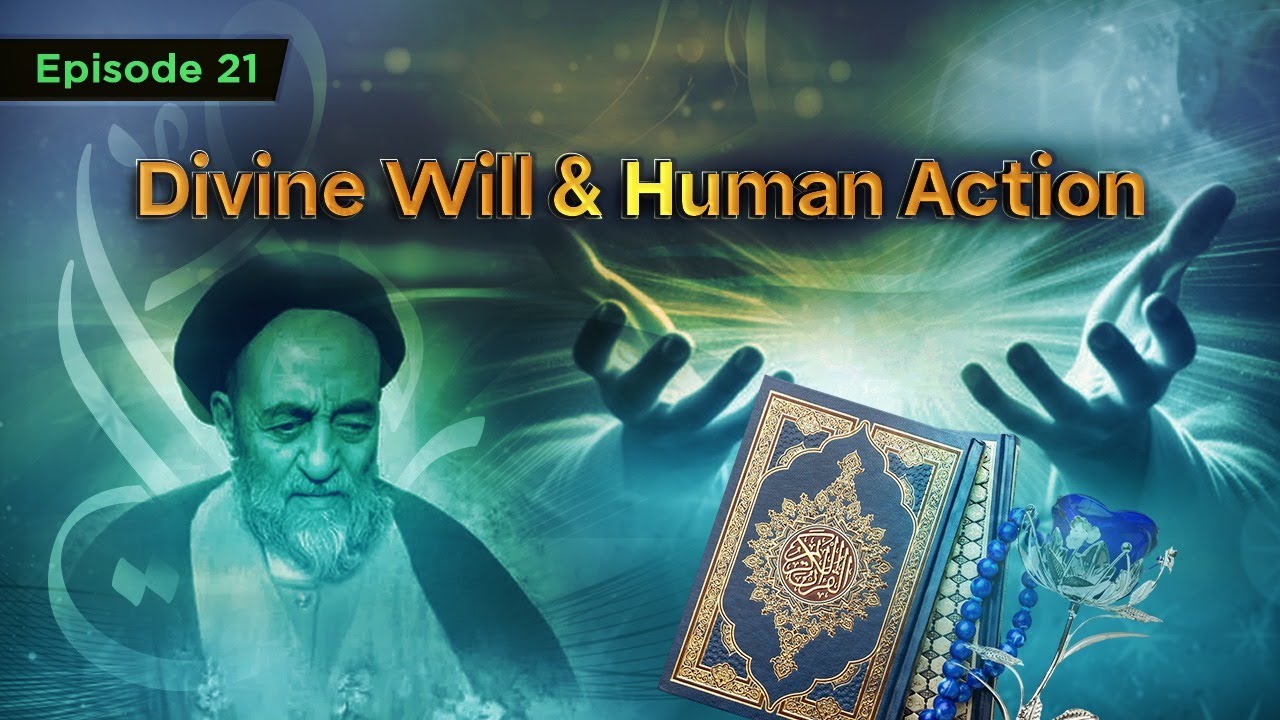
Reflection – Episode 21: Divine Will & Human Action
In Episode 21 of Reflection, we explore the relationship between divine will and human action as presented in the Qur’an. The episode examines how God’s will operates without negating human choice, intention, or responsibility. Rather than framing the issue as a contradiction, the Qur’an presents a layered understanding of causality, agency, and moral accountability. Drawing on Tafsīr al-Mīzān, we reflect on how human action unfolds within divine permission, not coercion. The episode clarifies how freedom and submission coexist within a coherent Qur’anic vision of justice.
Jan 23, 2026
Reflection – Episode 22: Intercession in the Qur’an
In Episode 22 of Reflection, we explore the Qur’anic concept of intercession (shafāʿah) and its theological boundaries. The episode examines how the Qur’an rejects independent intercession while affirming intercession by God’s permission. Rather than undermining divine justice, intercession reveals a deeper structure of mercy, authority, and moral order. Drawing on Tafsīr al-Mīzān, we reflect on how intercession operates within divine will and accountability. The episode clarifies how hope, responsibility, and mercy are held together within the Qur’anic worldview.
Jan 30, 2026
Reflection – Episode 23: Reward and Punishment in the Qur’an
In Episode 23 of Reflection, we explore how the Qur’an presents reward and punishment as extensions of moral reality, not arbitrary outcomes. The episode examines how deeds carry consequences that unfold through divine justice and mercy. Rather than framing reward and punishment as mere incentives or threats, the Qur’an reveals a deeper moral order rooted in truth, intention, and accountability. Drawing on Tafsīr al-Mīzān, we reflect on how human action shapes one’s return to God. The episode clarifies how divine justice remains measured, purposeful, and inseparable from mercy.

Feb 6, 2026
Reflection – Episode 24: Infallibility of Prophets
In Episode 24 of Reflection, we explore the Qur’anic foundation of prophetic infallibility (ʿiṣmah). The episode examines why moral integrity, truthfulness, and divine protection are essential for the credibility of revelation. Rather than portraying prophets as flawless abstractions, the Qur’an presents them as guided, protected, and fully accountable servants of God. Drawing on Tafsīr al-Mīzān, we reflect on how infallibility safeguards divine guidance without negating human experience. The episode clarifies how prophetic authority rests on trust, justice, and God’s wisdom.
Feb 13, 2026
Reflection – Episode 25: Is Hell Truly Eternal ?
In Episode 25 of Reflection, we explore the Qur’anic concept of eternal punishment and the profound moral questions it raises about divine justice and mercy. Drawing on Tafsīr al-Mīzān, we examine how the Qur’an presents Hell not as arbitrary vengeance, but as the manifestation of the soul’s freely chosen reality. We reflect on the relationship between human freedom, moral responsibility, and the enduring consequences of persistent choices.

Feb 20, 2026
Reflection – Episode 26: Is the Soul Physical?
In Episode 26 of Reflection, we explore the Qur’anic concept of the human soul and the question of what constitutes our true identity. Drawing on Tafsīr al-Mīzān, we examine the distinction between the soul and the body, the significance of self-awareness, and the limits of purely material explanations of human existence. We reflect on why the reality of the soul lies at the heart of moral responsibility, accountability, and the promise of the Hereafter.

Feb 27, 2026
Reflection – Episode 27: Do You Really Believe — Or Just Say You Do
In Episode 27 of Reflection, we explore the Qur’anic distinction between Islām and Īmān and the relationship between outward submission and inward conviction. Drawing on Tafsīr al-Mīzān, we examine the stages of belief, the difference between professing faith and embodying it, and the inner transformation through which faith becomes firmly rooted in the heart. We reflect on the lifelong journey from external compliance to genuine spiritual certainty.

Mar 6, 2026
Reflection – Episode 28: What Gives Humans Value?
In Episode 28 of Reflection, we explore the Qur’anic concept of human dignity and the true source of human worth. Drawing on Tafsīr al-Mīzān, we examine the meaning of the divine honour bestowed upon the children of Adam and how it differs from the standards by which societies often measure value. We reflect on the relationship between innate dignity, moral responsibility, and the unique place of the human being within creation.
Mar 13, 2026
Reflection – Episode 29: Are Humans Superior to Angels?
In Episode 29 of Reflection, we explore the Qur’anic relationship between human beings and angels and the deeper meaning of Adam’s prostration. Drawing on Tafsīr al-Mīzān, we examine the distinctive nature of both creations, the significance of the angels’ obedience, and the unique capacities entrusted to humanity. We reflect on what true human excellence means and the responsibilities that accompany the honour bestowed upon the children of Adam.
Mar 20, 2026
Reflection – Episode 30: Every Soul Has a Guide
In Episode 30 of Reflection, we explore the Qur’anic concept of guidance and the significance of the Imām in shaping the direction of human life. Drawing on Tafsīr al-Mīzān, we examine what the Qur’an means when it speaks of every people being called by their guide and the profound relationship between leadership, moral alignment, and accountability. We reflect on the responsibility each person bears in choosing who, or what, they ultimately follow.

Mar 27, 2026
Reflection – Episode 31: Can a Human Being Truly Become Pure?
In Episode 31 of Reflection, we explore the Qur’anic concept of purification and the possibility of genuine moral transformation. Drawing on Tafsīr al-Mīzān, we examine the nature of the human soul, the meaning of spiritual perfection, and the process through which inner alignment with truth becomes possible. We reflect on the relationship between ethical refinement, devotion to God, and the fulfilment of humanity’s highest potential.
Apr 3, 2026
Reflection – Episode 32: Why Do Humans Need Religion?
In Episode 32 of Reflection, we explore the Qur’anic understanding of why human beings need religion and divine guidance. Drawing on Tafsīr al-Mīzān, we examine the nature of the human self, its dependence on truth, and the limitations of a life directed solely by desire or subjective judgement. We reflect on religion not as a restriction on human freedom, but as the means through which the soul finds coherence, purpose, and fulfilment.

Apr 10, 2026
Reflection – Episode 33: Why Did God Send Prophets?
In Episode 33 of Reflection, we explore the Qur’anic purpose of prophethood and the relationship between human reason and divine revelation. Drawing on Tafsīr al-Mīzān, we examine the strengths and limits of the intellect, the role of revelation in preserving access to truth, and why prophets were sent as guides and living embodiments of divine guidance. We reflect on the harmony between reason and revelation in the human search for truth.
Apr 17, 2026
Reflection – Episode 34: Can Good Deeds Be Lost?
In Episode 34 of Reflection, we explore the Qur’anic concept of ḥabṭ, the nullification of actions, and its implications for faith and moral responsibility. Drawing on Tafsīr al-Mīzān, we examine the relationship between belief and deeds, the inner state of the soul, and why actions cannot be understood in isolation from the reality that gives them meaning. We reflect on what it means for an action to truly endure in the sight of God.
Apr 24, 2026
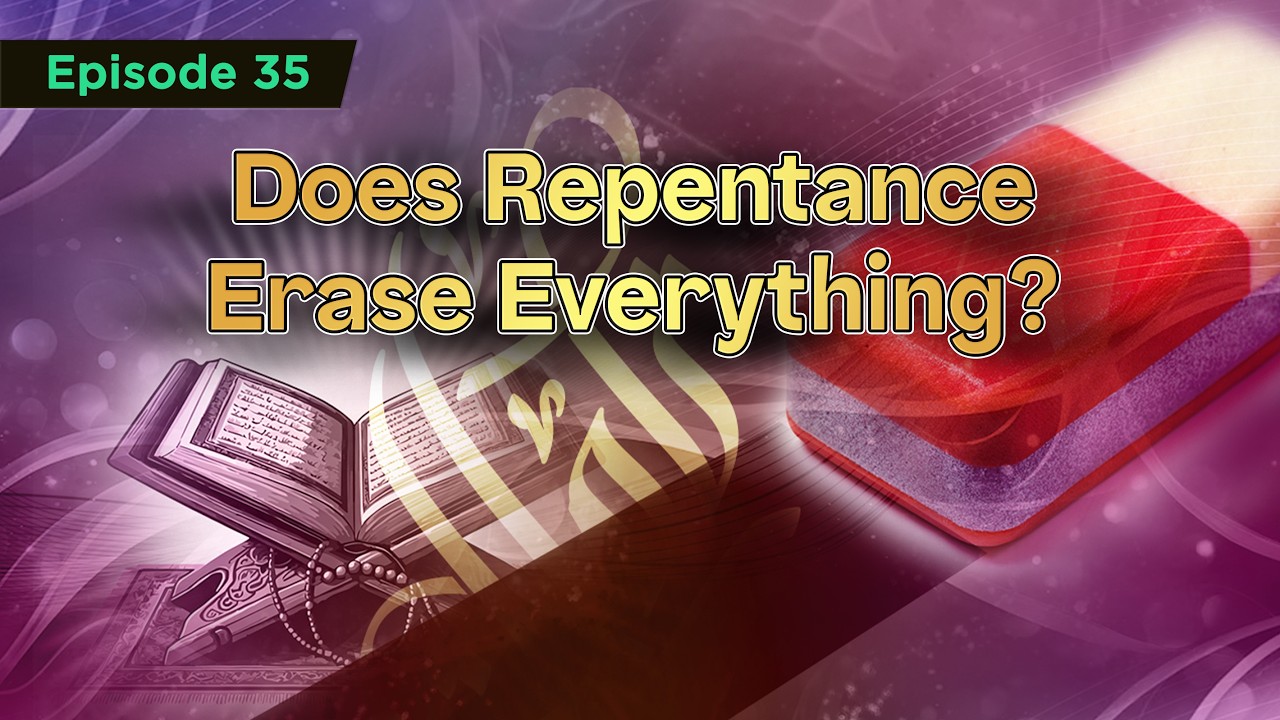
Reflection – Episode 35: When You Turn Back to God… What Changes?
In Episode 35 of Reflection, we explore the Qur’anic concept of repentance and its transformative significance in the life of the believer. Drawing on Tafsīr al-Mīzān, we examine repentance not merely as the forgiveness of sin, but as a profound process of inner renewal and return to God. We reflect on the relationship between divine mercy, human accountability, and the possibility of genuine moral and spiritual transformation.

May 1, 2026
Reflection – Episode 36: Is God Truly One? Beyond the Misunderstanding of Tawḥīd
In Episode 36 of Reflection, we explore the Qur’anic concept of Tawḥīd and the deeper meaning of God’s oneness. Drawing on Tafsīr al-Mīzān, we examine the profound significance of the Divine names Aḥad and al-Ṣamad, and why God’s unity cannot be understood as numerical oneness or compared to anything within creation. We reflect on how the Qur’an presents an absolute vision of Divine reality that transcends all categories, division, and limitation.
May 8, 2026
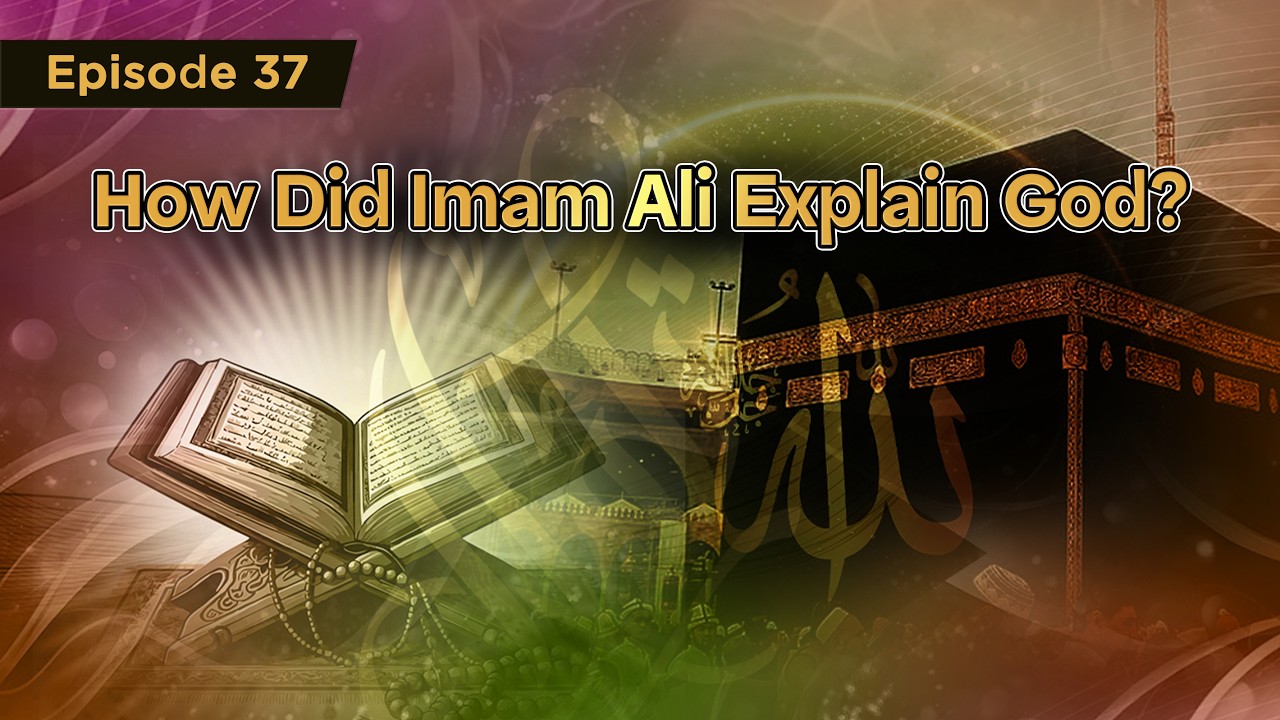
Reflection – Episode 37: How Imam Ali Described God
In Episode 37 of Reflection, we explore the profound descriptions of God found in the words of Imam ʿAlī ibn Abī Ṭālib and their foundations in the Qur’anic worldview. Drawing on insights rooted in Tafsīr al-Mīzān, we examine how the Divine reality transcends composition, limitation, and comparison, while remaining nearer to us than anything we know. We reflect on the challenge of speaking about God without reducing Him to the categories and limitations of created existence.

May 15, 2026
Reflection – Episode 38: What Are You, Really?
In Episode 38 of Reflection, we explore the Qur’anic concept of the self and the deeper reality of the human being. Drawing on Tafsīr al-Mīzān, we examine the nature of the nafs, the relationship between consciousness and identity, and the distinction between the human person and the material body. We reflect on why self-knowledge occupies such a central place in the Qur’anic worldview and how it shapes our relationship with God.

May 22, 2026
Reflection – Episode 39: Why Do Humans Betray Themselves?
What causes a human being to knowingly act against their own soul? Why do people destroy themselves… while believing they are pursuing happiness? And how does the Qur’an explain the tragedy of self-betrayal? In this episode of Reflection, we explore one of the deepest psychological and spiritual realities in the Qur’an: the human tendency to betray oneself through heedlessness, desire, arrogance, and distance from God. Drawing upon Qur’anic verses, the insights of ʿAllāmah Ṭabāṭabāʾī, and narrations from the Ahl al-Bayt (ʿalayhim al-salām), this episode examines how spiritual corruption rarely begins with hatred of truth — but with forgetting who we truly are. 📖

May 29, 2026
Reflection – Episode 40: Can Anyone Truly Know the Unseen?
In Episode 40 of Reflection, we explore the Qur’anic concept of al-ghayb, the unseen, and the limits of human knowledge. Drawing on Tafsīr al-Mīzān, we examine the distinction between divine and human knowledge, the nature of what lies beyond perception, and the humility that arises from recognising the boundaries of our understanding. We reflect on how belief in the unseen shapes the Qur’anic worldview and our relationship with God and reality.
June 5, 2026
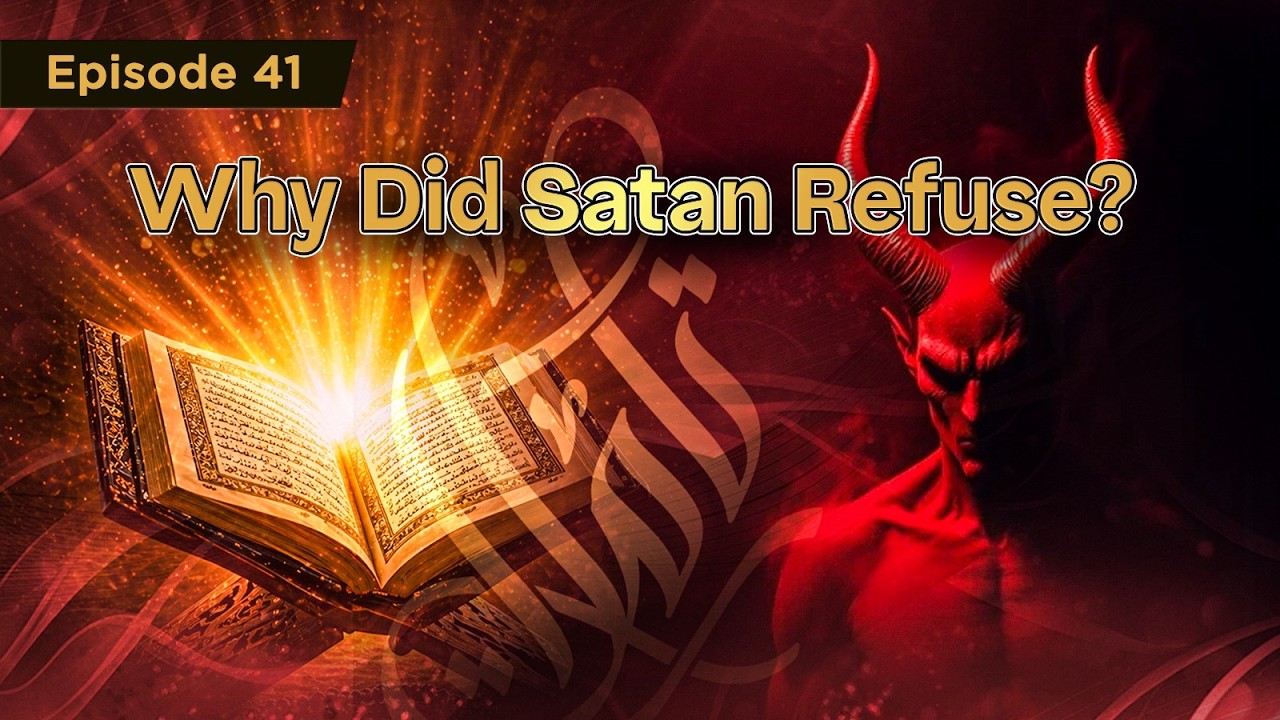
Reflection – Episode 41: Why Did Satan Refuse?
In Episode 41 of Reflection, we explore the Qur’anic account of Iblīs and the deeper spiritual lessons revealed through his refusal to prostrate before Adam. Drawing on Tafsīr al-Mīzān, we examine the destructive nature of pride, arrogance, and spiritual blindness, and why knowledge alone is insufficient without sincere submission to truth. We reflect on how the story of Iblīs serves as a timeless warning about the hidden diseases of the human soul.
June 5, 2026
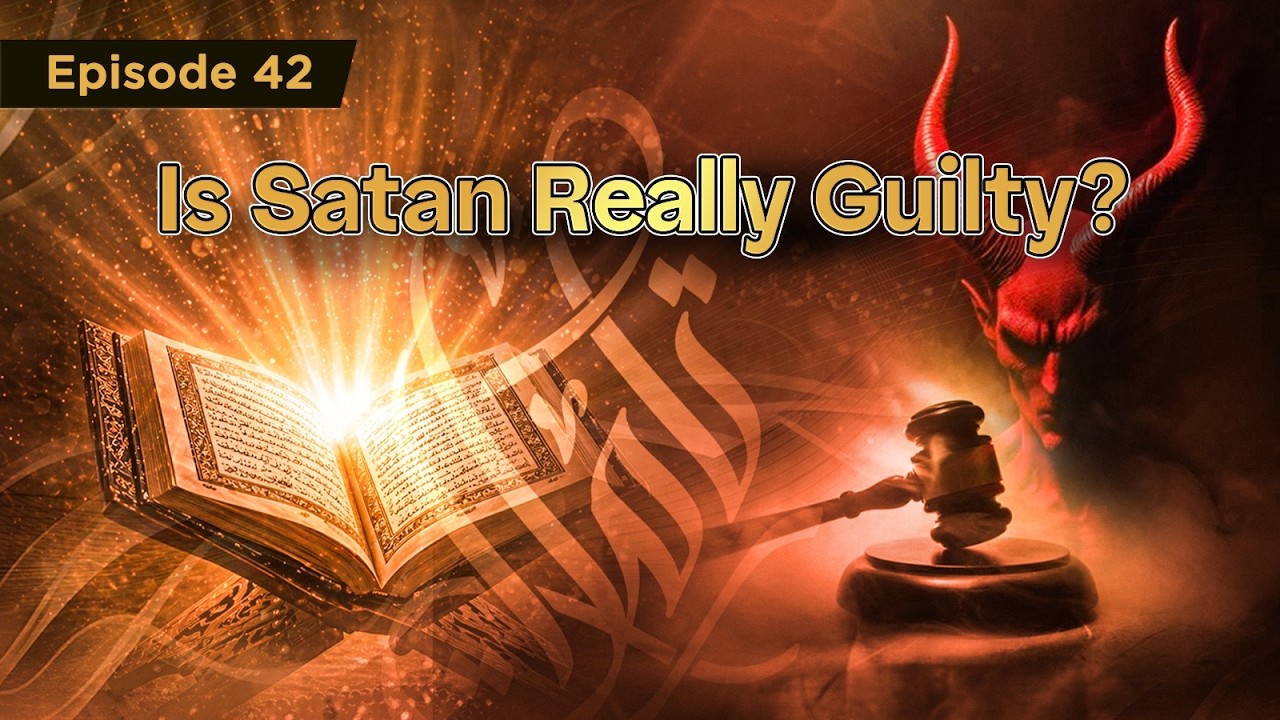
Reflection – Episode 42: Is Satan Really Guilty?
In Episode 42 of Reflection, we explore Satan’s remarkable speech on the Day of Judgment and what it reveals about human freedom, responsibility, and the nature of temptation. Drawing on Tafsīr al-Mīzān, we examine the Qur’anic declaration that Satan possesses no real authority over human beings, but merely invites them toward falsehood. We reflect on how the Qur’an shifts the focus from blaming external forces to recognizing our own moral agency, reminding us that the dignity of the human being lies in the ability to choose between truth and deception.
Stay Connected
Subscribe to receive updates on new podcast episodes, ebook releases, and exclusive content delivered to your inbox.